RegValve Hub is a professional knowledge base dedicated entirely to control valves — in-depth technical articles, engineering calculators, real-world application solutions, troubleshooting guides, actuators and valve accessories, plus a working directory of the world's leading manufacturers. Engineers are welcome to contribute articles or contact us for technical consultation.
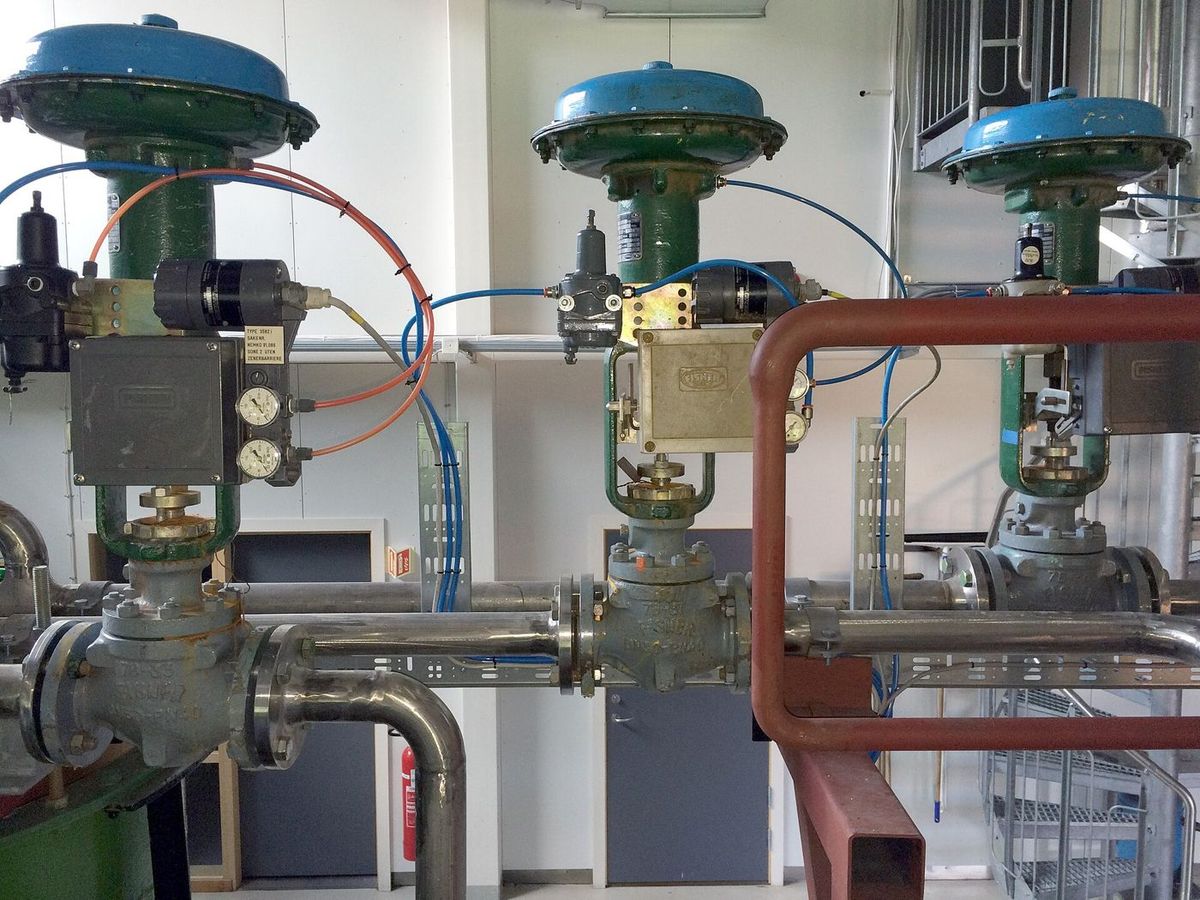
Throttling, the control loop, flow characteristics and fail action — the foundation.
Read →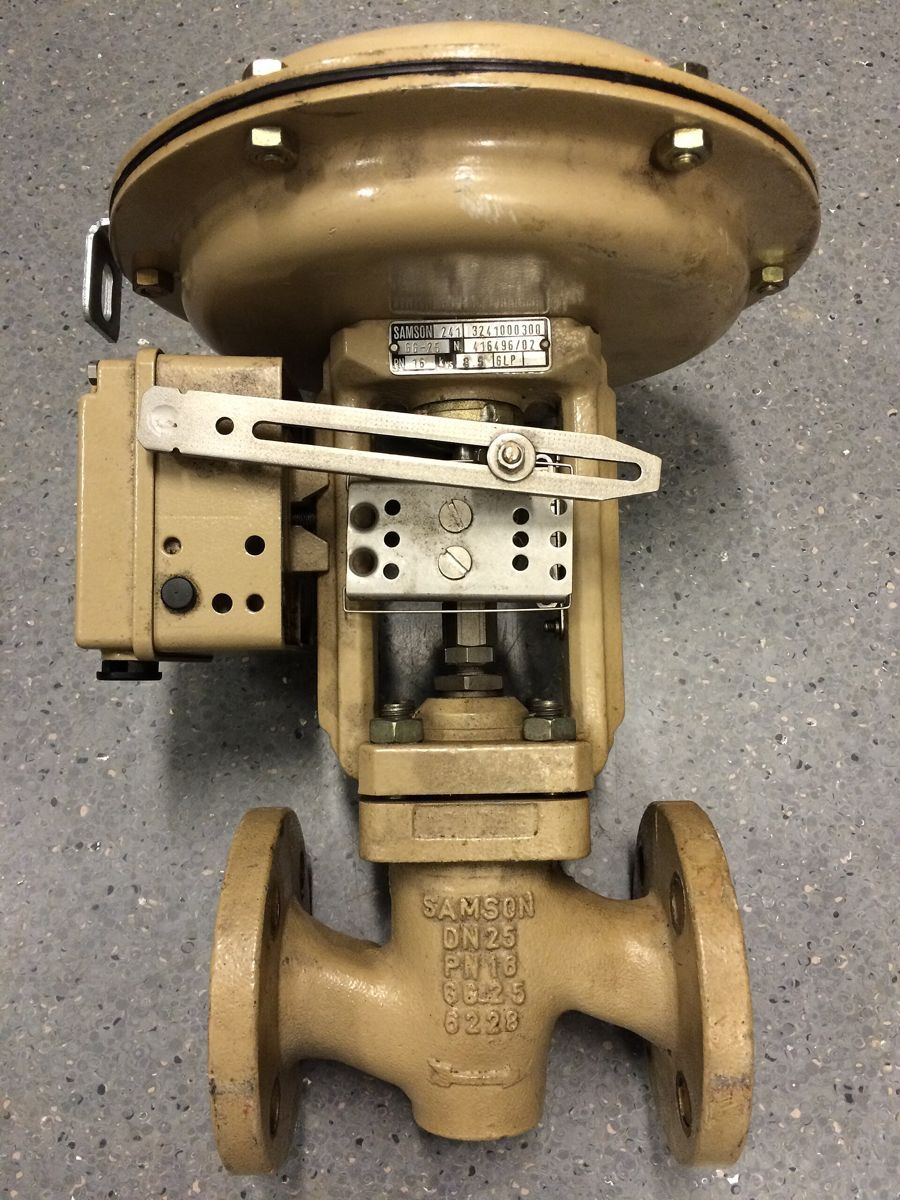
Equal percentage vs linear vs quick-opening — loop gain, installed curves, selection.
Read →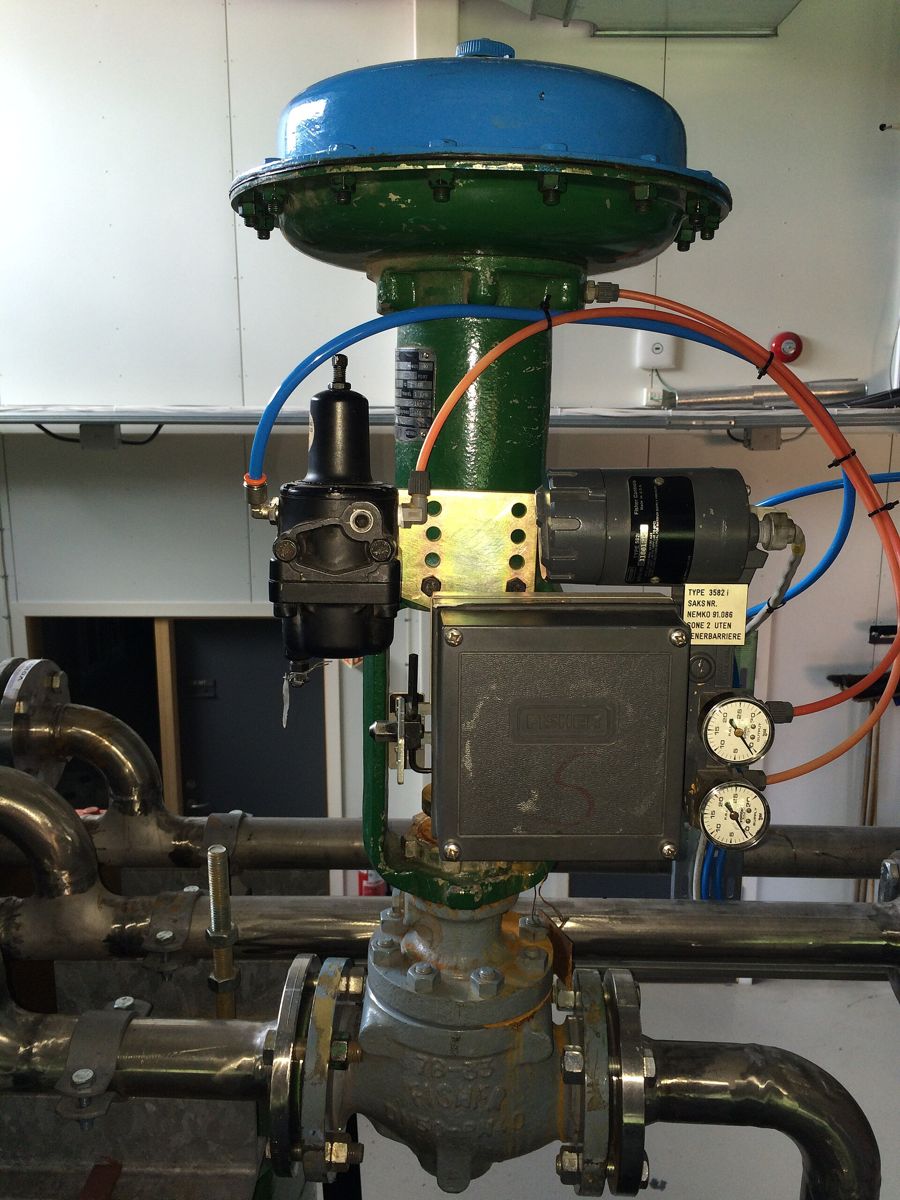
IEC 60534-2-1 sizing with choked-flow check — live, no sign-up.
Open →
33+ terms defined the engineer's way — cavitation, dead band, rangeability and more.
Browse →The definition pinned down, Cv vs Kv, and what the number includes — and excludes.
Read article →Vapour-pressure mechanics, damage signatures, and the countermeasure ladder.
Read article →When you need one, calibration steps, and the hunting patterns to recognise.
Read article →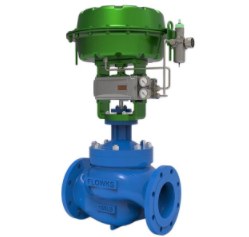
Which valve family should throttle — characteristics, recovery, cost compared.
Read article →IEC 60534-2-1 with choked-flow and cavitation check.
Compressible flow with expansion factor Y.
Instant conversion to catalogue sizes.
Diaphragm area, spring range, seat-load checks.
Vapour-pressure margin per IEC 60534-2-1.
IEC 60534-8-3 prediction for gas service.
Pressure, flow, temperature and Cv ↔ Kv in one place.
IEC 60534, ISA-75, FCI 70-2, API 623, ASME B16.34: what each part covers and when you need it.
Liquid and gas sizing equations with every variable named and units stated.
0.865 and 1.156 — the two factors, with a lookup table for common sizes.
Order-of-magnitude capacity ranges for standard globe bodies, 1/2″ to 10″.
Class 150 to 2500 vs nominal PN — and why temperature changes everything.
WCB, WC6, CF8M, LCC and the trim alloys — what each is for on a data sheet.
0.2–1.0 bar and friends: bench set, split-range halves and thrust implications.
From actuator to cavitation index, each defined the engineer's way and traced to its standard.
High-pressure letdown, compressor anti-surge, wellhead choke service and HIPPS-adjacent duties.
Corrosive media, flashing hydrocarbons, reactive trim materials and tight shutoff requirements.
Boiler feedwater, turbine bypass, desuperheating and severe-duty cycling service.
Level control, pump recirculation and large-diameter throttling at modest pressures.
Cryogenic extension bonnets, cold-box duties and material behaviour at −162 °C.
PRV stations, desuperheaters, steam tracing headers and saturated-flow sizing.
Start with the working principle — the rest of the site builds on it.
RegValve.com is an independent knowledge base for control valve engineering — covering sizing and selection to IEC 60534 and ISA-75, cavitation and flashing control, aerodynamic and hydrodynamic noise, actuator and positioner technology, and a working manufacturer directory spanning Emerson Fisher, Baker Hughes Masoneilan, Samson, Valmet Neles and Flowserve Valtek to Chinese makers. Our free engineering calculators implement the published IEC 60534-2-1 equations with every assumption stated — no sign-up, no paywall.
Beyond the formulas, you will find application solutions for boiler feedwater, turbine bypass, steam conditioning, LNG and cryogenic service; structured troubleshooting guides for hunting, dead band and seat leakage; plain-language explainers for bench set, rangeability and leakage classes in the glossary; and accessories coverage from pneumatic cylinders and solenoid valves to filter-regulators and volume boosters. Every page follows the same discipline: pick the standard, trace the formula, show the worked example.