
Pneumatic vs Electric Actuators: How to Choose
The actuator is half the valve — in weight, in cost, and in failure statistics. The pneumatic-vs-electric decision is not "which is better" but "which failure modes and utilities does this service tolerate". Here is the comparison that matters.
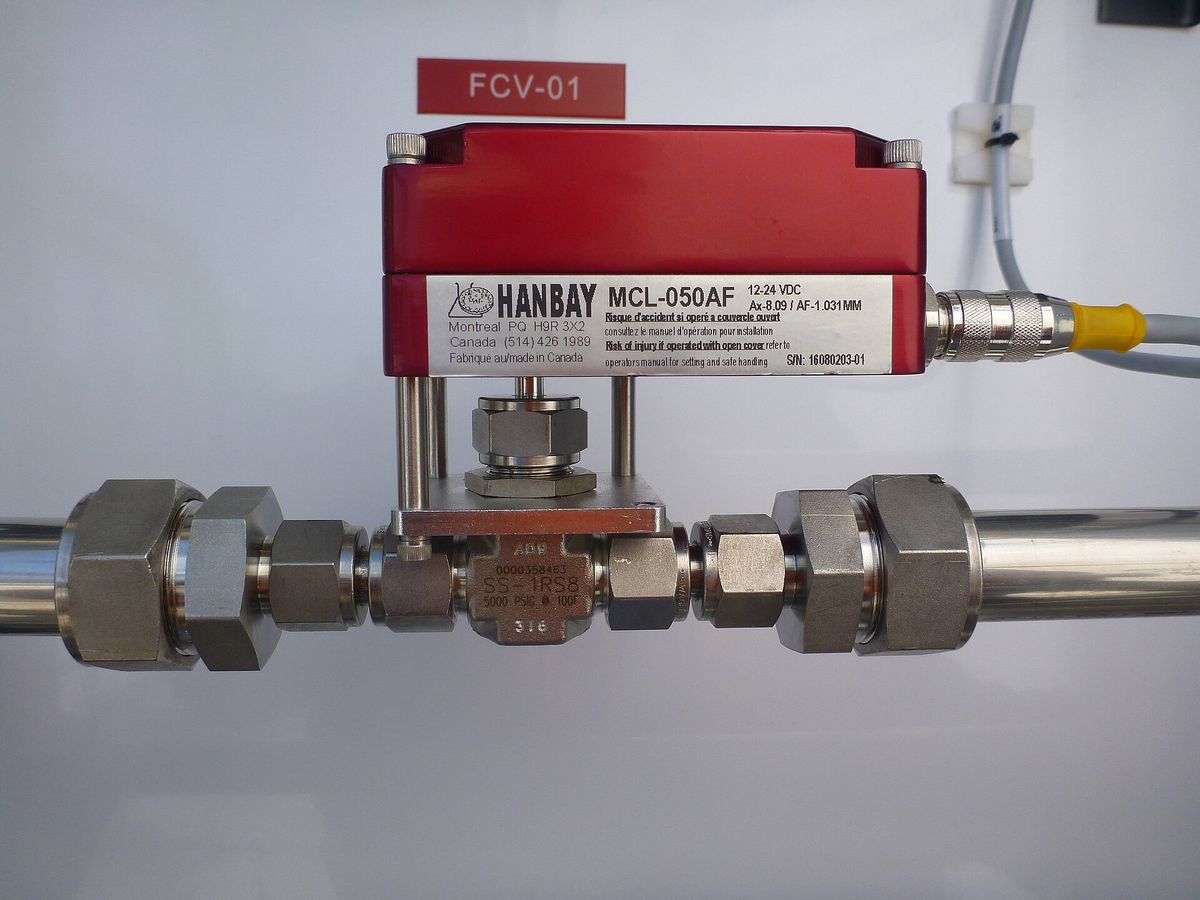
1. Side by side
| Property | Pneumatic (diaphragm / piston) | Electric |
|---|---|---|
| Force/thrust | Unlimited in principle (supply pressure × area) — pistons reach very high thrust | High torque from gearing; thrust via stem nut |
| Stroking speed | Fast (sub-second to seconds) | Slow (seconds to minutes) — motor RPM through reduction gear |
| Fail-safe | Natural with springs (FO/FC); volume tanks for pistons | Fail-last by nature; FO/FC needs springs, battery or capacitors |
| Modulation quality | Excellent with positioner; smooth proportional pressure | Good with modern servo drives; stepping behaviour in cheap units |
| Utility | Clean dry instrument air — a whole plant infrastructure | Power wherever available — the killer advantage remotely |
| Maintenance | Simple mechanics; diaphragms/elastomers age; air quality is everything | Gearbox, motor, limit switches, torque unit; electronics aging |
| Hazardous areas | Intrinsically simple (no ignition source) | Needs Ex-rated motor/electronics — cost and complexity |
| Small sizes cost | Low (diaphragm types are cheap) | Higher per unit of torque at small size |
| Large sizes cost | Pistons competitive; but air demand grows | Often cheaper than huge pistons + volume tanks |
2. The decision logic
- Does the fail position matter? If the valve must fail open or closed on power/air loss, spring-diaphragm or spring-piston pneumatics are the natural answer. Electric fail-safe is achievable (battery springs, capacitor banks) but each solution adds failure points — review them in your safety analysis.
- Is instrument air available at the valve? Remote lines, tank farms, water works and skid packages frequently lack air. Running air lines hundreds of metres is usually more expensive than an electric actuator.
- How fast must it stroke? Trip/shutdown valves in seconds → pneumatic with solenoid trip (see trip arrangements). Modulation with seconds of tolerance → either works.
- Control quality expected? For fine throttling, pneumatic + positioner is the reference; a quality electric actuator with a servo drive is a competent second — a cheap on-off quarter-turn motor "dressed as control" is not.
- Environment: pneumatic diaphragms dislike heat/cold extremes and dirty air; electric actuators dislike submersion unless well sealed — check IP ratings and certification.
3. Notes from the field
- Most pneumatic "actuator problems" are air-quality problems. Dirty or wet instrument air ruins positioners, I/Ps and solenoids long before the actuator itself fails — see filter-regulators.
- Electric actuator sizing is torque-curve work. Butterfly valves torque-peak mid-travel and seat-breakaway is the max; size to the curve, with margin for degraded voltage.
- Sizing thrust for control valves must include seat load for the specified shutoff class at maximum differential — the biggest miss in both families.
- Hybrid answer: gas-hydraulic and electro-hydraulic actuators cover extreme-thrust duties (large ball/gate on high pressure) where neither pure option fits.
Related reading: diaphragm actuator · piston actuator · electric actuator · fail-safe action explained.
Editorial note. Comparison reflects typical industrial practice; specific product capabilities vary. Fail-safe and SIL-related decisions must follow your plant's safety requirements specification. Engineering content is educational.