
Valve Positioner
A valve positioner is a closed-loop device mounted on the actuator. It reads the controller's command signal, measures the actual stem position through a mechanical or electronic feedback link, and modulates the air to the actuator until the two agree. Without a positioner, the actuator is an open-loop spring-pressure balance — sensitive to friction, packing drag and supply fluctuation.
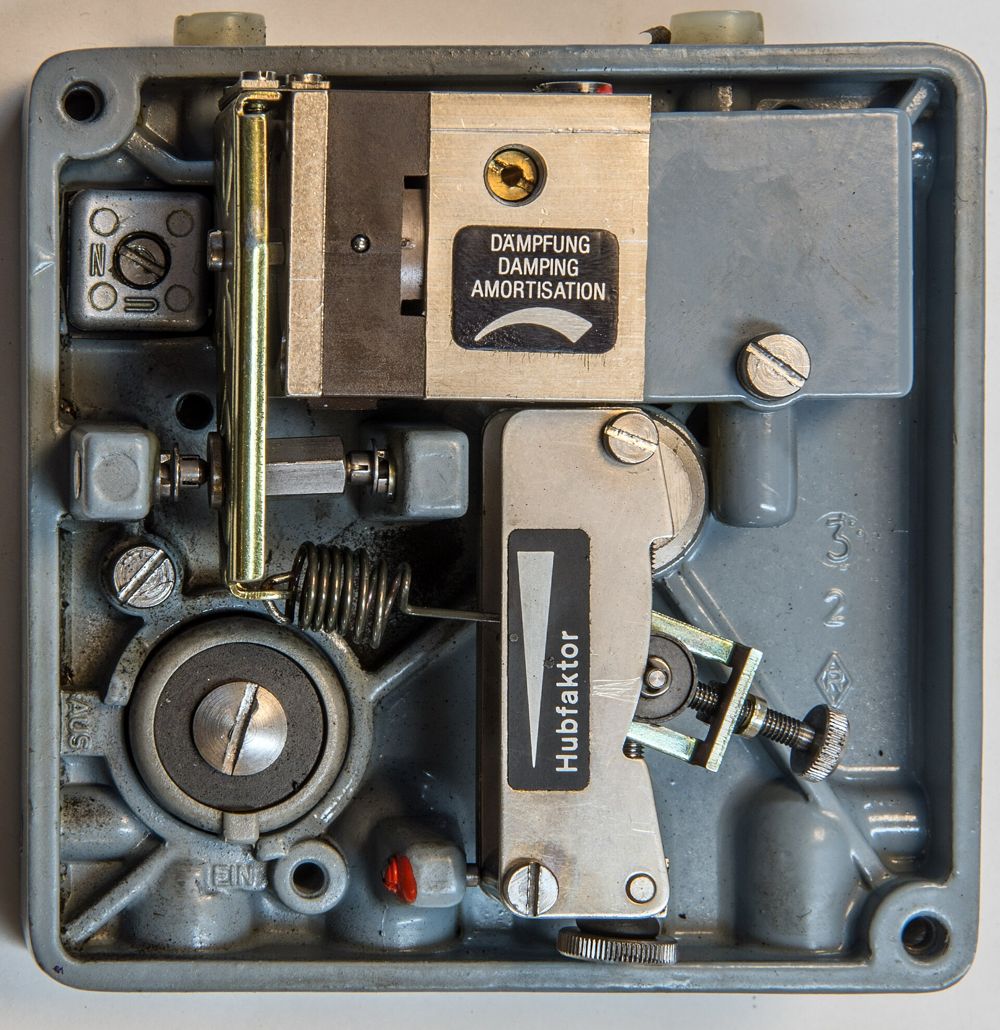
Why a positioner exists
Packing friction and seat drag create dead band — stem motion that lags the signal. In throttling service, dead band shows up as limit cycling that no amount of controller tuning removes. The positioner's high-gain inner loop is the standard remedy, and it is also what makes split ranging, characterised action and airfail definitions practical.
Types
- Pneumatic positioner — command is a 0.2–1 bar pneumatic signal; fully air-powered. Simple, intrinsically safe, no electricity needed.
- Electro-pneumatic positioner — command is 4–20 mA (often with HART). The most common type in modern plants; integrates an I/P converter inside.
- Smart (digital) positioner — microprocessor-based, with autostroke, diagnostics (friction, signature testing) and digital bus protocols (HART, FOUNDATION Fieldbus, PROFIBUS).
Selection notes
- Match the feedback method to the actuator: rotary (lever on shaft) vs linear (lever on yoke or stem).
- Check air capacity — a positioner that cannot fill the actuator volume turns a fast valve slow. Large actuators need a volume booster in parallel.
- Hazardous-area certification (ATEX/IECEx) and environmental rating matter as much as performance data.
- For on-off valves with fast trip requirements, a solenoid — not the positioner — sets the stroking path. See solenoid valves.
Deep dive coming: calibration procedure, diagnostic signatures and hunting diagnosis are covered in the troubleshooting section — see Troubleshooting.
Note. Generic engineering description for education. For installation, calibration and safety settings, follow the positioner manufacturer's manual and your plant procedures.